Karachi
0346 4111188

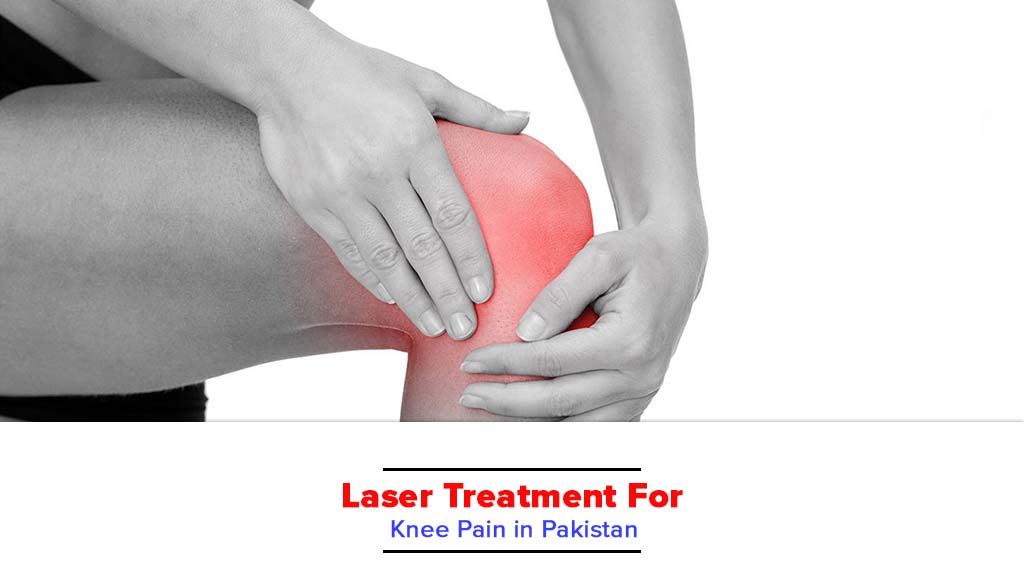
Knee pain can be excruciating, limiting your daily activities, routine exercises, and overall quality of life. Millions of people experience knee pain linked to arthritis, injury, or age-related wear. Alongside conventional approaches such as physical exercise, medication, or surgery, laser therapy has become a more commonly used non-invasive option.
What is laser therapy?
Low-level laser therapy (LLLT) uses specific wavelengths of light directed at the affected tissue. The light is absorbed by cells in the area, which may help reduce inflammation and support the body’s own healing processes. Unlike the lasers used in surgery, LLLT uses much lower energy levels and does not cut or heat tissue.
How does it work for knee pain?
For knee pain, whether recent or long-standing, the light is directed at the affected area. It penetrates beneath the skin’s surface, where it may help reduce inflammation, support blood flow, and encourage the body’s natural repair processes.
Laser therapy is commonly used for knee conditions including:
Research on laser therapy for knee osteoarthritis shows mixed results. A 2024 systematic review and network meta-analysis found LLLT reduced pain more effectively than a sham (fake) treatment, but did not show a significant improvement in knee function or stiffness. Earlier reviews have been less consistent. A 2015 meta-analysis in Osteoarthritis and Cartilage found no significant difference between LLLT and control treatment. This is why laser therapy is usually recommended as one part of a broader treatment plan rather than a stand-alone cure, and why individual results vary.
Non-invasive. Unlike surgery, laser therapy doesn’t require incisions or a recovery period. Each session typically lasts 5 to 30 minutes, depending on the area treated.
Drug-free option. Some patients use laser therapy to reduce their reliance on painkillers or anti-inflammatory medication, under their doctor’s guidance.
Supports recovery. After surgery or injury, laser therapy may help support the body’s healing process alongside other rehabilitation.
Adjustable to the individual. Wavelength and intensity can be adjusted based on the specific condition being treated.
Laser treatment is straightforward.
Laser therapy is generally considered low-risk, but it’s worth understanding a few things before starting.
How many sessions will I need? This varies by condition and severity. Some people notice a change within a handful of sessions, while others need a longer course. For a fuller answer, see our article on how many sessions of laser therapy you need.
Is laser treatment painful? No. Most patients feel a gentle warming sensation at most, not pain.
Who is a good candidate for laser therapy? It’s most commonly used for mild to moderate knee pain from conditions like osteoarthritis or sports injuries. A provider can confirm whether it’s a fit for your specific case.
Does insurance cover the cost? This depends on your provider. Check directly with your insurance company.
Is recovery time needed? No. Most people return to normal activity immediately after a session.
If you’re exploring laser therapy in Pakistan, BioFlex Pakistan assesses your condition first and builds a plan around it rather than applying a one-size-fits-all package. From consultation through follow-up, the goal is realistic expectations backed by an actual assessment, not a promise of guaranteed results.
For people dealing with persistent knee pain, laser therapy is one non-surgical option worth discussing with a provider, particularly alongside physiotherapy and exercise. It won’t be the right fit for every case, and results vary, but a proper assessment can tell you whether it’s worth trying for your specific condition.
If you’re curious whether laser therapy could help your knee pain, BioFlex Pakistan can assess your condition and talk you through realistic expectations before you start.