Karachi
0346 4111188

Laser Pain Treatment » Cold Laser Therapy Side Effects: What to Expect
Cold laser therapy, also called low-level laser therapy (LLLT), is generally considered a low-risk treatment. Serious side effects are rare, and most patients feel nothing more than mild warmth during a session. That said, “low-risk” isn’t the same as “risk-free,” and a few groups of patients need to take extra precautions. This article covers what the research actually shows, not just marketing claims.
A 2020 safety review by the Canadian Physiotherapy Association looked at studies of laser therapy for low back pain and other musculoskeletal disorders, drawing on research by Stausholm and colleagues (2019), Bjordal and colleagues (2008), Yousefi-Nooraie (2007), and Gendron and Hamblin (2019). Across this body of research, the review found no reports of serious adverse events or side effects.
This doesn’t mean laser therapy carries zero risk in every circumstance. It means that, in the musculoskeletal pain research reviewed, no serious harms were reported. Mild, temporary effects are still possible and are covered below.
Most patients report little to nothing during treatment. When something is noticed, it’s usually one of the following:
A gentle warming sensation at the treatment site is the most common report, and it typically fades within minutes of the session ending. Some patients with sensitive skin notice mild, temporary redness in the treated area, similar to how skin might react to a warm compress. Occasionally, patients feel a brief increase in soreness in the treated area in the hours after a session, particularly for chronic or long-standing pain, before settling down. None of these are signs that something has gone wrong, but they’re worth mentioning to your provider if they persist longer than a day or two.
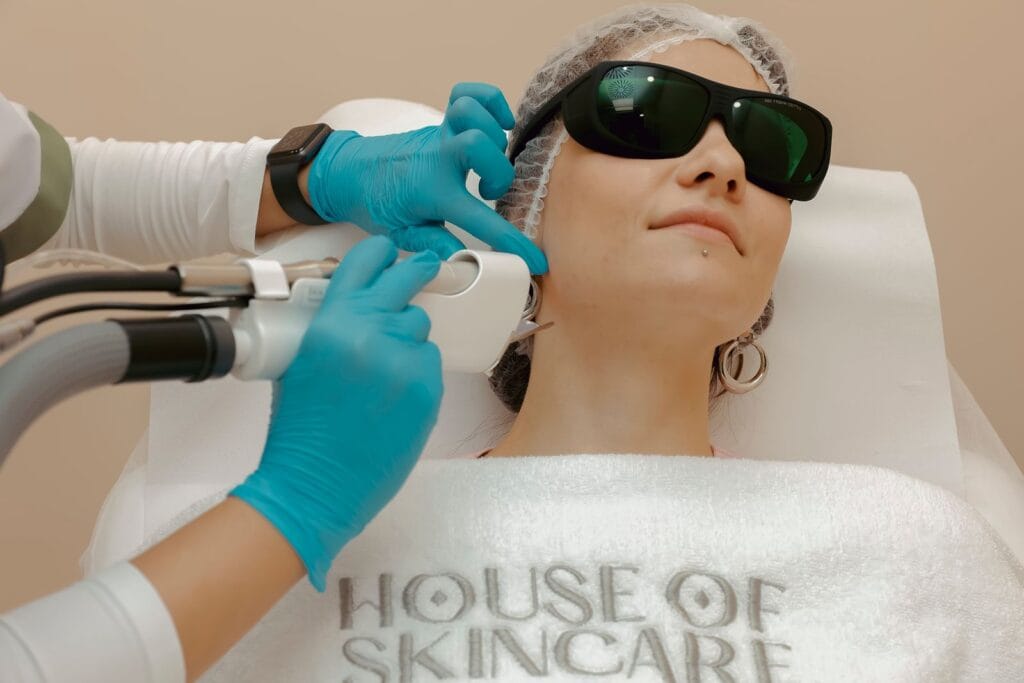
The most concrete safety measure in laser therapy isn’t about the treated body part, it’s about the eyes. Direct or reflected laser exposure to the eyes without proper protective eyewear can cause injury. This is why clinics using therapeutic laser devices, including BioFlex Pakistan, use protective eyewear during treatment as standard practice. This isn’t a rare precaution reserved for unusual cases; it’s routine procedure for every session, the same way a dentist uses a lead apron for X-rays regardless of how healthy your teeth are.
Laser therapy isn’t automatically ruled out for these groups, but they need a conversation with their provider first, since these are the situations most commonly flagged in clinical guidance:
Pregnant patients are typically advised against laser treatment directly over the abdomen or lower back. Patients undergoing active cancer treatment should get clearance from their oncologist first, since laser therapy’s effect on rapidly dividing cells isn’t something to guess about. People with photosensitivity, whether from a medical condition or certain medications, may need to avoid or adjust treatment, since their skin reacts differently to light exposure. Anyone with an implanted electronic device, such as a pacemaker, should mention it during their assessment so the provider can plan accordingly.
If none of these apply to you, laser therapy is generally considered appropriate to try, pending your provider’s individual assessment.
Because people often confuse cold laser therapy with other laser-based procedures, it’s worth being direct about what it does not involve. It does not cut, burn, or heat tissue the way surgical or cosmetic lasers do. It does not require anesthesia or sedation. It does not involve needles or injections. It does not typically cause the kind of downtime associated with more invasive procedures.
Most sessions pass without any noticeable reaction. If you experience anything beyond mild, short-lived warmth or soreness, such as blistering, persistent pain that worsens rather than improves, or any change in vision after a session, contact your provider promptly. These aren’t expected outcomes of standard treatment, and a provider can assess whether something else is going on.
No long-term side effects have been reported in the musculoskeletal research reviewed to date. Most effects, when they occur, are mild and short-lived.
Cold laser therapy uses much lower energy levels than surgical or cosmetic lasers and does not cut or burn tissue. Mild, temporary skin redness is possible but not tissue damage.
Laser treatment directly over the abdomen or lower back is typically avoided during pregnancy. Discuss your specific situation with your provider.
Protective eyewear is standard during sessions to prevent eye exposure to the laser. Your provider will provide this.
Contact your provider if you notice blistering, worsening pain, or vision changes. These aren’t expected reactions and should be checked promptly.
If you’re considering laser therapy and want to understand how it applies to your specific health situation, book a consultation at BioFlex Pakistan’s Islamabad, Karachi, or Peshawar clinic. Your provider can review your medical history and flag anything relevant before you begin treatment.
1. Canadian Physiotherapy Association. (2020, July). Safety of Laser Therapy. View Reference (PDF)
2. International Organization for Standardization (ISO). (2019). ISO/TR 22463:2019. Patient and client eye protectors for laser procedures. View Reference
3. International Electrotechnical Commission (IEC). (2022). IEC TR 60825-8: Safety of laser products. Guidelines for the safe use of lasers on humans. View Reference
Share
Book Your Appointment
WhatsApp us