Karachi
0346 4111188

Laser Pain Treatment » Cold Laser Therapy Side Effects: What to Expect
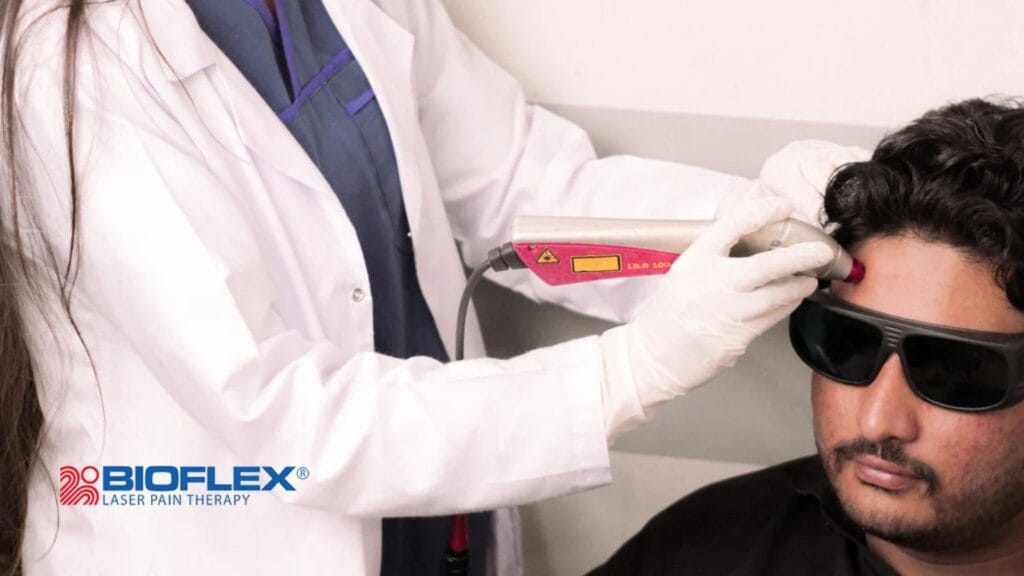
Cold laser therapy, also known as low-level laser therapy (LLLT), is generally considered a low-risk treatment. If you’re researching cold laser therapy side effects before starting treatment, here’s what’s actually documented: the FDA classifies low-level laser devices used for photobiomodulation as “non-significant risk” devices, and clinical trials across a range of conditions have consistently reported few or no serious adverse events. That said, “low-risk” isn’t the same as “risk-free,” and it’s worth knowing what can actually happen before you start treatment.
Most reported side effects from cold laser therapy are minor and temporary:
Some patients notice temporary discomfort at the treatment site right after a session, which usually settles on its own within a short time. Mild skin irritation is also possible, particularly in people with sensitive skin, and in rare cases a treated area can feel slightly more painful or swollen immediately after a session before settling down. These effects are generally short-lived and aren’t a sign that something has gone wrong, but it’s worth mentioning them to your provider if they don’t resolve within a day or two.
Laser light, even at the low power levels used in LLLT, can potentially affect the eyes with direct or prolonged exposure. This is why clinics use protective eyewear during treatment as a standard precaution, both for the patient and the person administering it, similar to wearing safety glasses around other light-emitting equipment rather than a sign that the treatment is risky when done properly.
Cold laser therapy isn’t right for everyone. It’s generally avoided in the following situations:
Pregnant patients typically aren’t treated with laser therapy over the abdomen or lower back, since the effect on a developing fetus isn’t well established. Laser therapy is not used directly on cancerous or suspected cancerous lesions, since it may stimulate cell growth in the treated area. It’s also generally avoided over the thyroid gland, since it may affect thyroid function, and directly over a pacemaker, to avoid interfering with the device. People with a history of seizures, and those taking photosensitizing medication, are also usually excluded, along with treatment directly on or near the eyes.
If any of these apply to you, mention it during your consultation so your provider can decide whether laser therapy is appropriate, or whether an alternative makes more sense.
For context, this is worth putting next to something patients are already familiar with: pain medication. Common pain relievers and anti-inflammatory drugs carry their own well-documented side effects, ranging from stomach irritation to more serious risks with long-term use. Laser therapy’s side effect profile is generally much milder by comparison, a straightforward comparison of typical downsides rather than a suggestion that laser therapy should replace medication in every case.
For most patients without one of the contraindications above, cold laser therapy is a low-risk option. The most common thing to expect is simply a treatment session with little to no discomfort, not a list of side effects to worry about. Still, going in with accurate expectations, rather than either “zero side effects, guaranteed safe” or an inflated fear of risk, is the more useful starting point.
BioFlex Pakistan uses low-level laser therapy at its Islamabad, Karachi, and Peshawar clinics, with an initial consultation used to check for any of the contraindications above before starting treatment. If you have a specific health condition you’re unsure about, it’s worth raising during your consultation rather than assuming it will or won’t be an issue.
It’s considered low-risk and is classified by the FDA as a “non-significant risk” device category, but no medical treatment is entirely without any possible effect. Most reported side effects are mild and temporary.
Temporary discomfort at the treatment site and mild skin irritation are the most commonly reported effects, and both are usually short-lived.
Direct or prolonged exposure to laser light can potentially affect the eyes, which is why protective eyewear is used during treatment as a standard precaution.
People who are pregnant, have cancerous or suspected cancerous lesions, have a pacemaker, or have a history of seizures should discuss alternatives with their provider. See the full list above.
Its side effect profile is generally milder than that of common pain medications, though this depends on your specific condition and shouldn’t be treated as a blanket recommendation to stop medication without medical advice.
FDA, non-significant risk
Safety and mild side effects
Eye safety
Share
Book Your Appointment
WhatsApp us